Tuscany. 12th century. At the time, Chianti ran along the extreme offshoots of the counties of Siena and Florence and was for centuries the bloody scene of disputes and border wars. It was not until the early 13th century that Florence seized a substantial area of Chianti, which was pacified and reorganized through the creation of a special institution: the League of Chianti. Divided into the three Terzieri of Radda, Castellina and Gaiole, the League in 1383 endowed itself with a statute and a symbol destined to ride the centuries: the Black Rooster.
The League’s headquarters were set up in Radda, where the praetorian palace still stands as a reminder of the town’s ancient administrative and jurisdictional pre-eminence over other places in Chianti.
Situated along the ancient road leading to Siena, Castellina was the Florentine commune’s most advanced stronghold towards Sienese territory. On the strength of this absolute strategic value, in the early 14th century Castellina wrested the supremacy of the League from Radda, holding it for several decades.
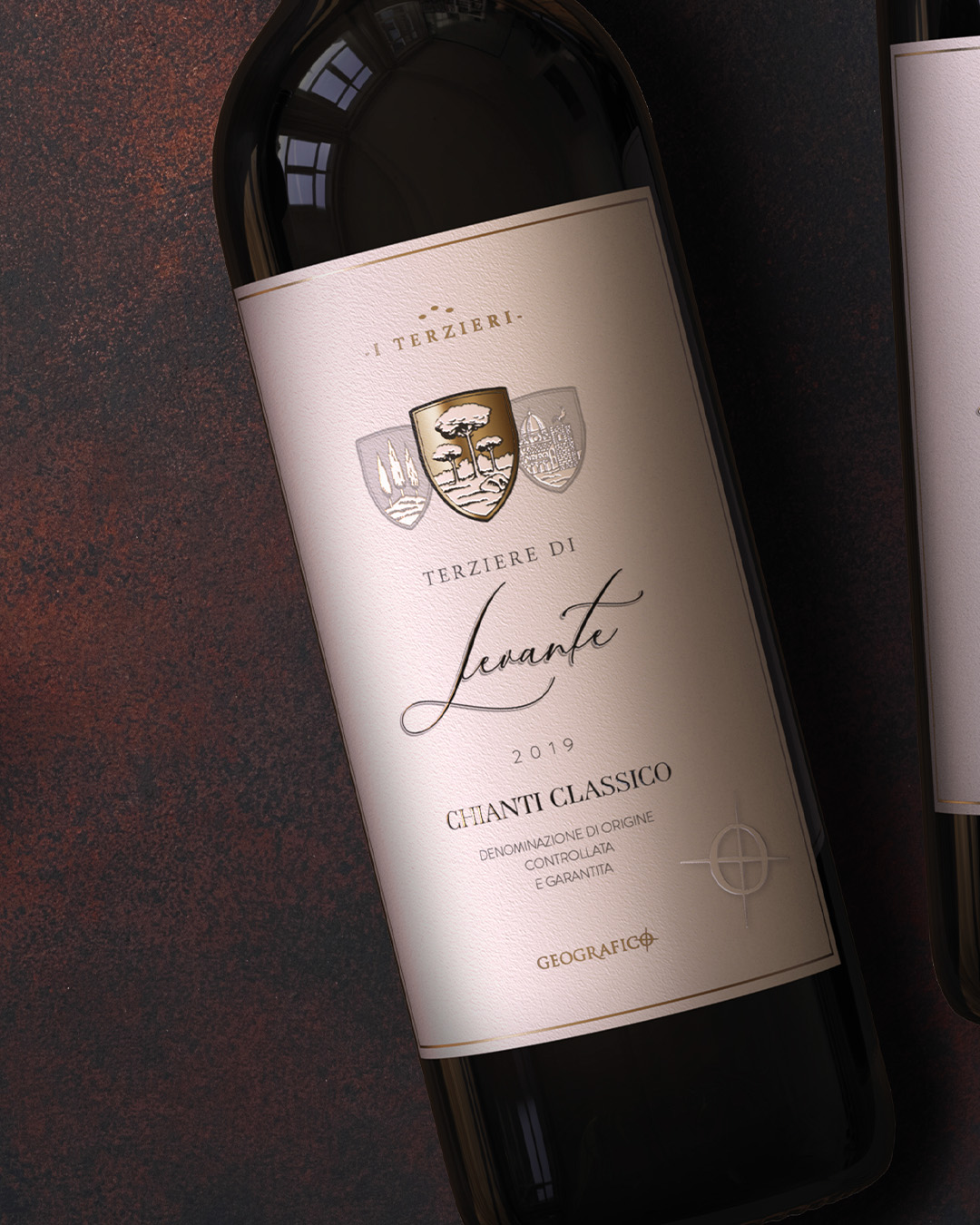
I Terzieri
Levante
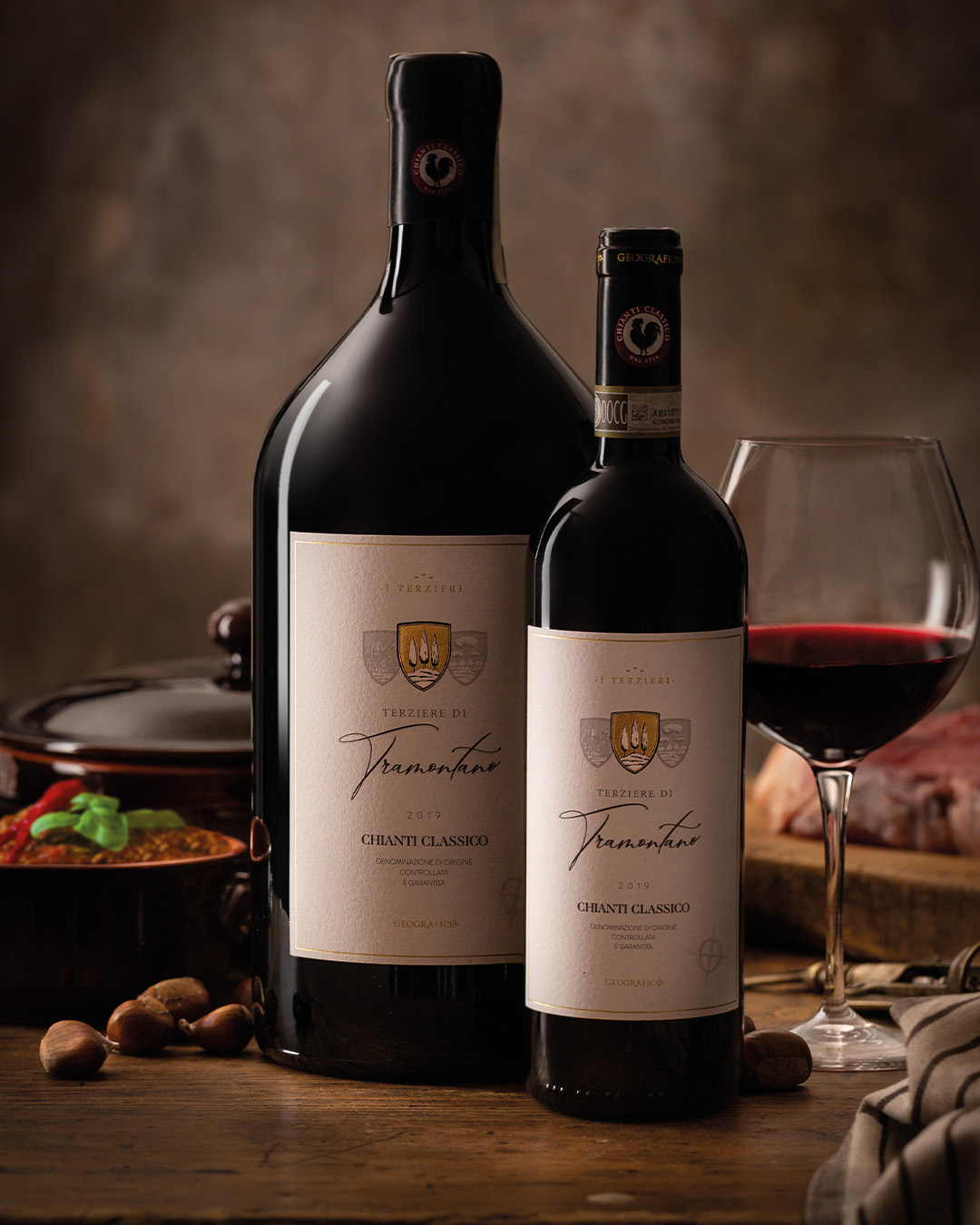
I Terzieri
Tramontano
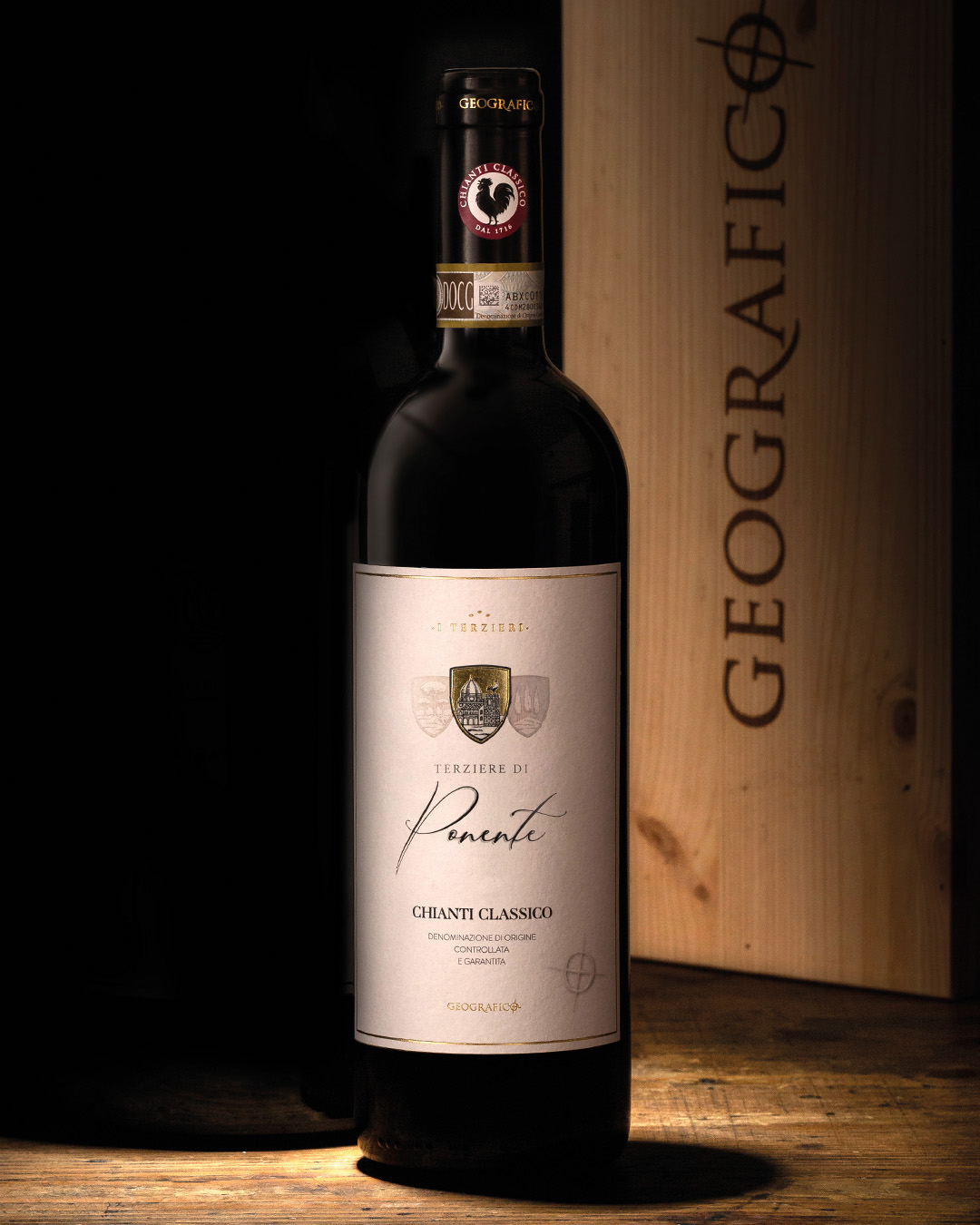
I Terzieri
Ponente
At the head of the last Terziere was placed Gaiole, a center that as early as the 11th century boasted the presence of a busy market, around which the town rose in the following centuries. In the years to follow, Florence increasingly imposed its hegemony, downsizing rival Siena. In this redefinition of political arrangements, the Lega del Chianti lost its strategic and military role, but continued to operate in the civil and especially agricultural fields. In fact, the first mention of a wine called “Chianti” dates back to 1398, although referred to only in its white berry guise.
A few years passed and documents from 1427 certified the undisputed rise of Chianti red wine. The League of Chianti continued to exert ever tighter control over “that good wine that sells so well,” so much so that by 1444 a regulation was enacted that enshrined the time limits of the grape harvest, whose operations were not to begin before the feast of St. Michael, September 29.
The growing prestige of this wine fueled a rampant counterfeit market: many wines boasted the authoritative name of “Chianti” in order to aspire to greater trade. In 1716, in an attempt to curb the constant fraud, the Grand Duke of Tuscany Cosimo III issued a proclamation that drew the boundaries within which it was permissible to produce Chianti, effectively establishing a sort of ante litteram appellation of controlled origin. Fulcrum and center of this narrow perimeter were the three Terzieri of the ancient Lega del Chianti: Radda, Gaiole and Castellina.